

There’s something incredibly comforting about making a quick stovetop dinner after a long day.
As the chicken sizzles and the teriyaki glaze thickens, the kitchen fills with that irresistible sweet–savory aroma.
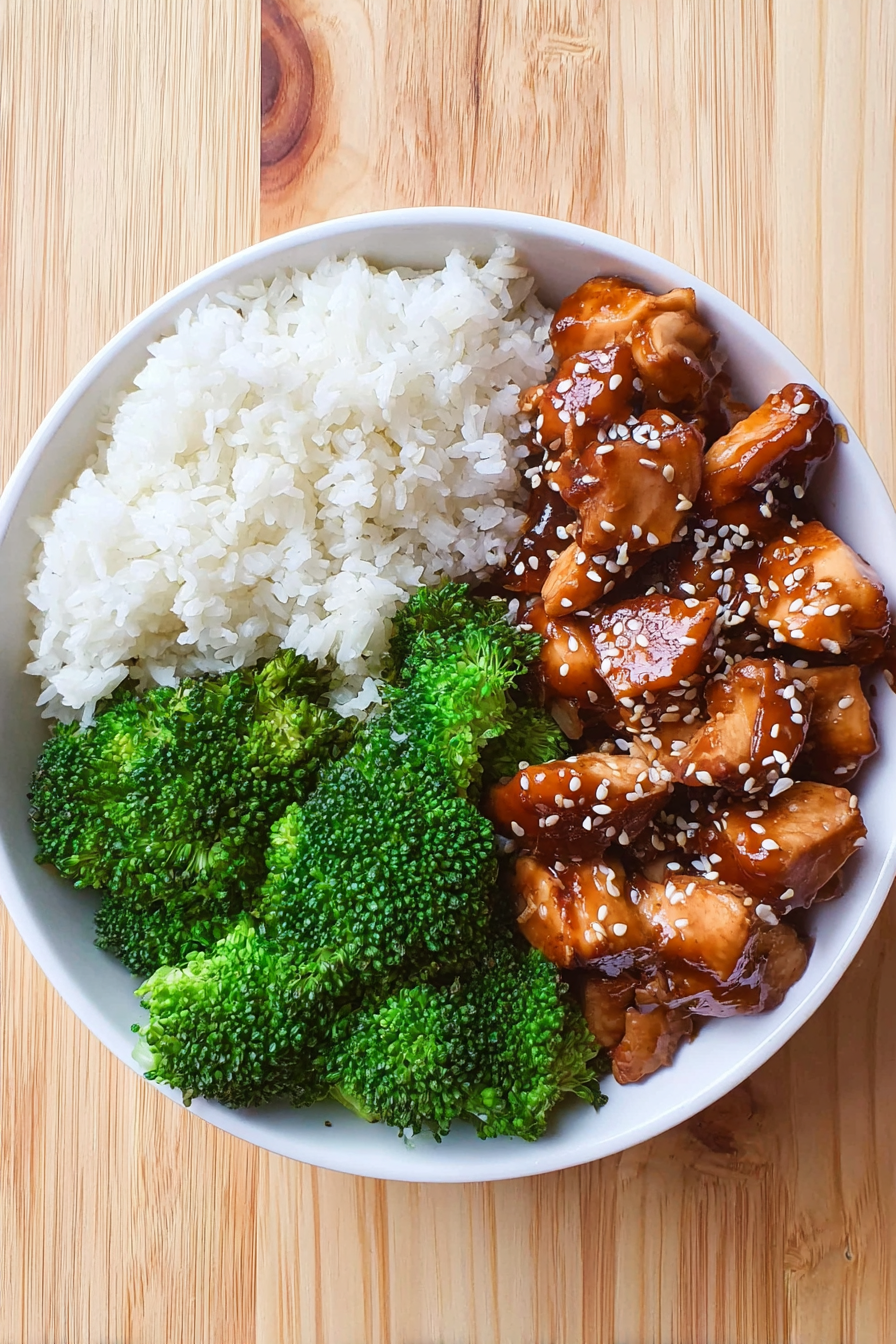
This Teriyaki Chicken Rice Bowl has become a midweek favorite in my house—simple, warm, and satisfying.
It comes together fast, but still feels like a fresh, homemade upgrade from takeout.
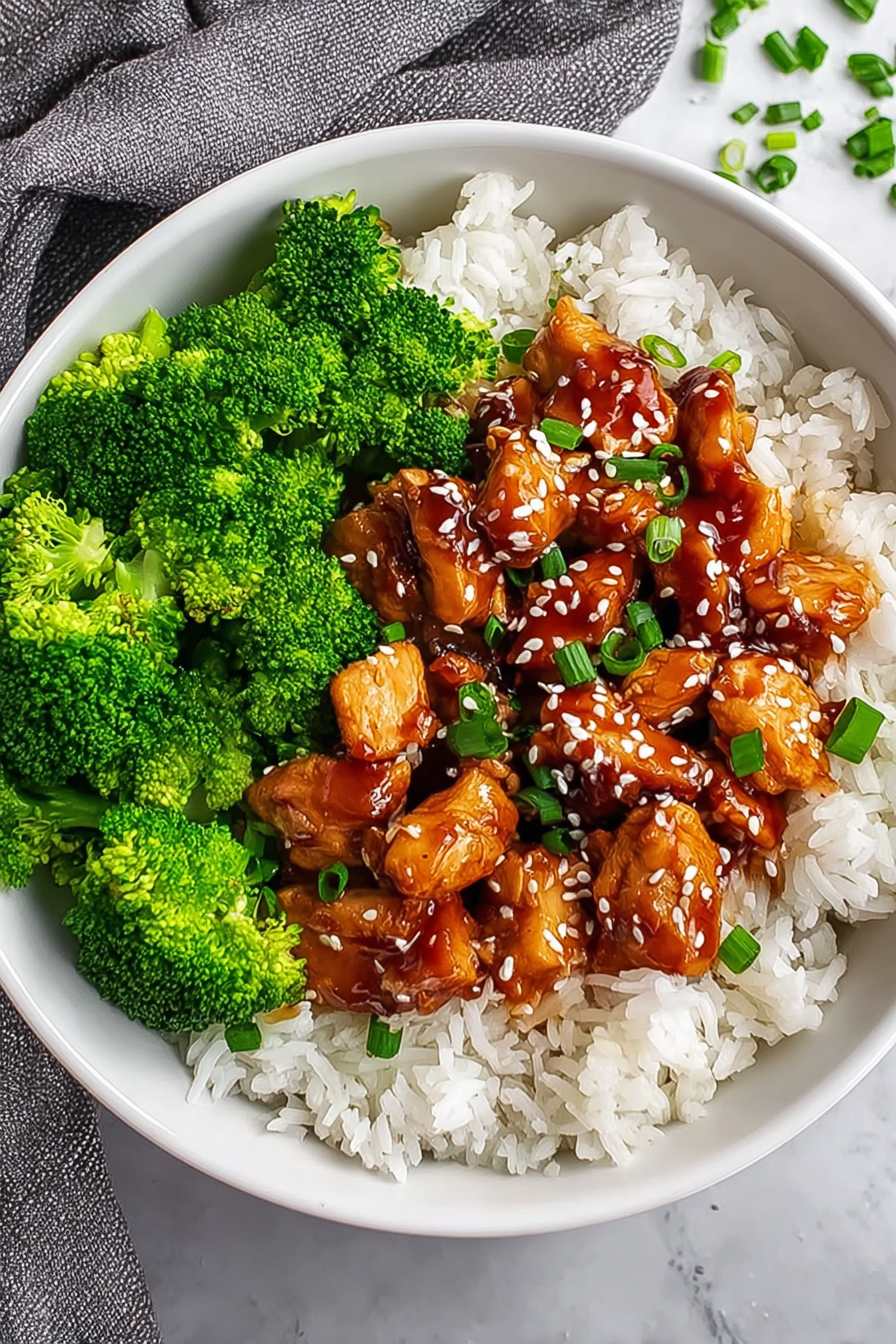
Spoon it over fluffy rice, add some steamed veggies, and dinner is done.
If you’re craving something cozy and effortless, this bowl delivers every time.
For the Teriyaki Chicken
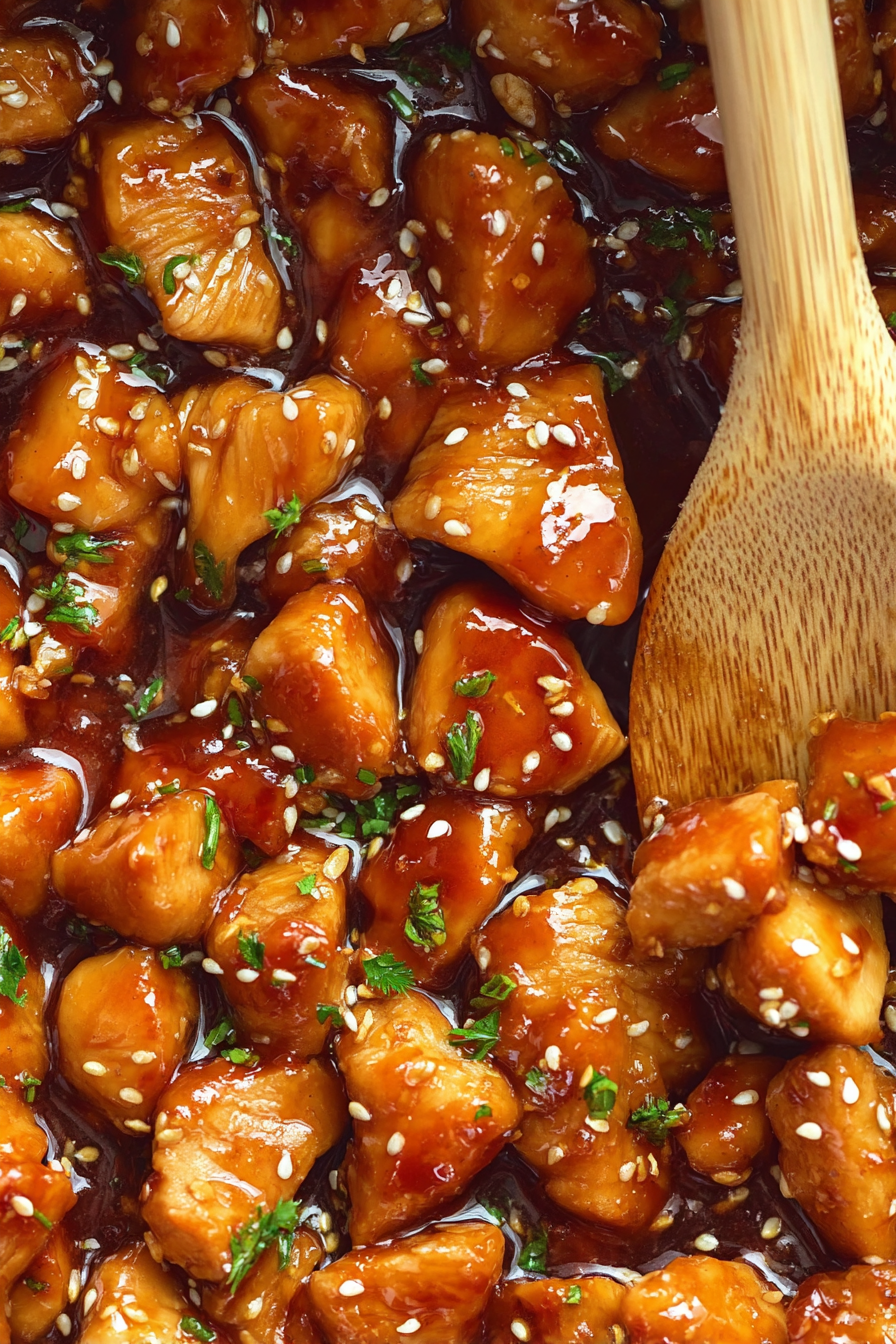
- Chicken – Cubed boneless, skinless chicken breasts cook quickly and soak up the sauce beautifully.
- Olive Oil – Helps brown the chicken and adds a touch of richness.
- Sesame Seeds & Green Onions – A simple garnish that adds crunch, color, nd freshness.
- Rice – Serve the chicken over white or brown rice to make it a complete meal.
- Steamed Veggies – Broccoli, carrots, snap peas, or whatever you love for an easy, balanced bowl.
For the Teriyaki Sauce
- Low Sodium Soy Sauce – The savory base of the sauce; low sodium keeps the flavors balanced.
- Water – Helps create the right consistency before thickening.
- Light Brown Sugar – Adds sweetness and that classic sticky-sweet teriyaki flavor.
- Rice Vinegar – Provides a light tang that brightens the sauce.
- Sesame Oil (optional) – A tiny amount adds a warm, nutty aroma.
- Ground Ginger – Brings gentle heat and depth.
- Minced Garlic – Essential for bold, aromatic flavor.
- Honey – Gives extra sweetness and helps the sauce become glossy.
- Cornstarch – Thickens the sauce so it clings perfectly to the chicken.
Teriyaki Chicken Rice Bowl Recipe
-
4 boneless skinless chicken breasts, cubed
-
1 Tbsp olive oil
-
1/2 cup low sodium soy sauce
-
1/2 cup water
-
3 Tbsp packed light brown sugar
-
2 Tbsp rice vinegar
-
1/2 tsp sesame oil (optional)
-
1 tsp ground ginger
-
2 tsp minced garlic
-
2 Tbsp honey
-
3 tsp cornstarch
-
Sesame seeds and chopped green onions, for garnish
-
Rice, for serving
- Steamed vegetables, for serving
-
Warm the olive oil in a large skillet over medium-high heat.
-
Add the cubed chicken and cook until the pieces are browned and no longer pink in the center.
-
While the chicken cooks, whisk together the soy sauce, water, brown sugar, honey, rice vinegar, sesame oil, ginger, garlic, and cornstarch in a medium bowl to create the sauce.
-
Pour the prepared sauce into the skillet once the chicken is cooked through. Stir and continue heating until the sauce thickens and coats the chicken.
-
Serve the chicken immediately over white or brown rice with your favorite steamed vegetables. Finish with sesame seeds and green onions on top.
Cholesterol: 29.5mg | Sodium: 795mg | Potassium: 158.9mg | Fiber: 1.1g | Sugar: 17.6g
1. Can I use chicken thighs instead of chicken breasts?
Absolutely! Thighs work a treat here — they’re juicy, hard to overcook, and soak up that glossy teriyaki sauce beautifully. Use whichever cut you’ve got on hand… no chicken discrimination in this kitchen.
2. What kind of rice works best?
Honestly, anything you like. White rice, brown rice, jasmine, basmati — even microwave rice if you’re in a hurry (no judgement!). If you’re feeling extra virtuous, cauliflower rice works too… but fluffy steamed rice is unbeatable with sticky teriyaki.
3. My sauce came out a bit salty — help!
Don’t stress. Add a splash of water or a tiny drizzle of honey to balance things out. And next time, stick with low-sodium soy sauce — regular soy can send the saltiness over the edge faster than you’d expect.
4. Can I make this ahead for meal prep?
YES! This recipe is a meal-prepper’s best friend. The chicken and sauce keep well for up to 3 days in the fridge. When reheating, add a little water to loosen the sauce if it’s thickened up. Rice and veggies reheat beautifully too.
5. Can I swap the fresh garlic and ginger for jarred?
Definitely. Fresh is fabulous, but the jarred stuff is totally fine for busy nights. Start with a little less than the recipe calls for — jarred garlic and ginger tend to be stronger — then adjust to taste. Easy!